
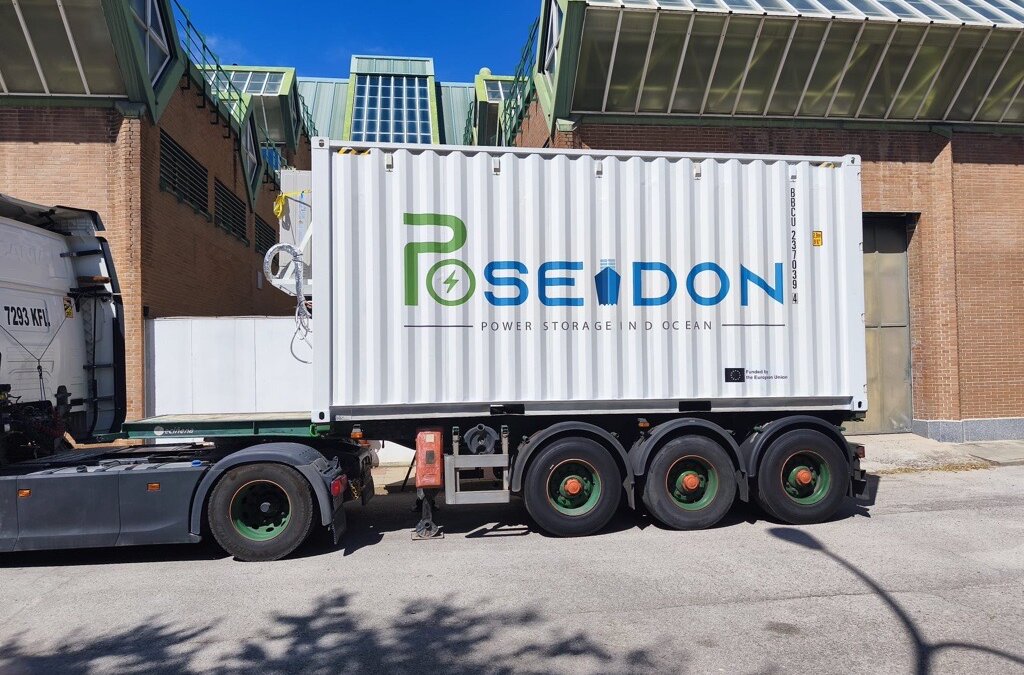
POSEIDON has reached a key integration milestone: the customised container that will bring together the project’s fast-response energy storage technologies and supporting equipment has progressed from an empty structure to a physical, integrated demonstrator ready for the next stage of testing.
Why this container matters for POSEIDON
POSEIDON is investigating how three Fast-Response Energy Storage technologies, such as supercapacitors, flywheels and superconducting magnetic energy storage (SMES), can be adapted and integrated for waterborne applications. Developing each technology is only part of that challenge. The systems also need a common infrastructure that can accommodate their equipment, power electronics, control, services, protections, cable routing and safety requirements before integrated testing and future onboard demonstration.
The project’s Grant Agreement envisages this common infrastructure as a marinised container. Once the individual systems have been developed and tested, the container becomes the physical point at which separate technology pathways converge into one demonstrator. The images below show that transformation step by step.
Step 1 - Preparing the container for a new role
The process began with the preparation of the container interior. At this stage, the priority was to turn a standard transport structure into an engineered space capable of accommodating specialised energy storage equipment. The original interior was progressively adapted to create the foundations for the final layout.
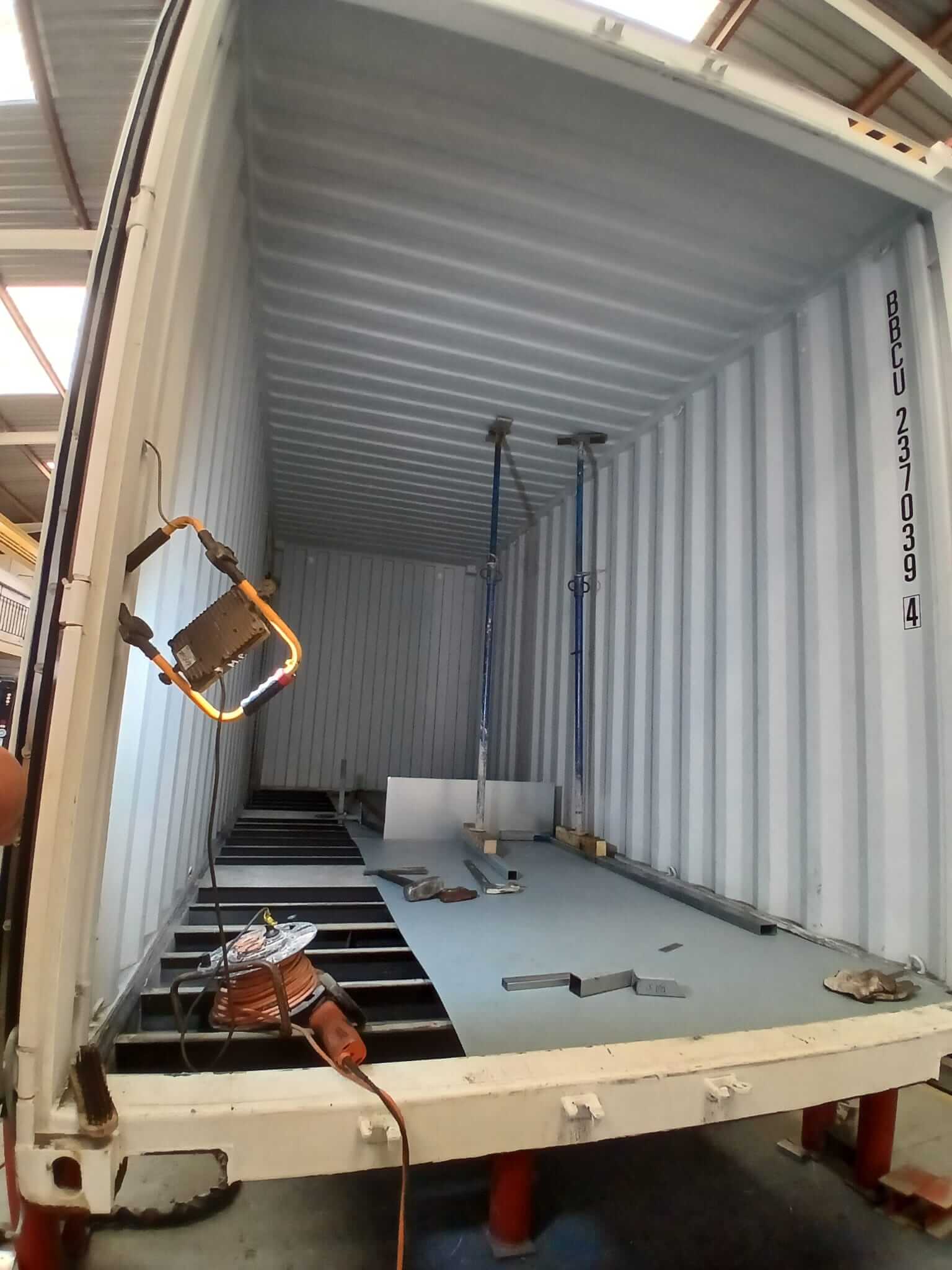
Image 1 – The container at the beginning of the adaptation process,
before the internal systems were installed.
Step 2 - Building the structural foundations
The next phase focused on structural preparation. Work on the floor and internal supports created the base needed to position and secure the future equipment. This stage is particularly important for a demonstrator intended for a maritime environment, where the arrangement of components, accessibility and physical integration must be considered together.
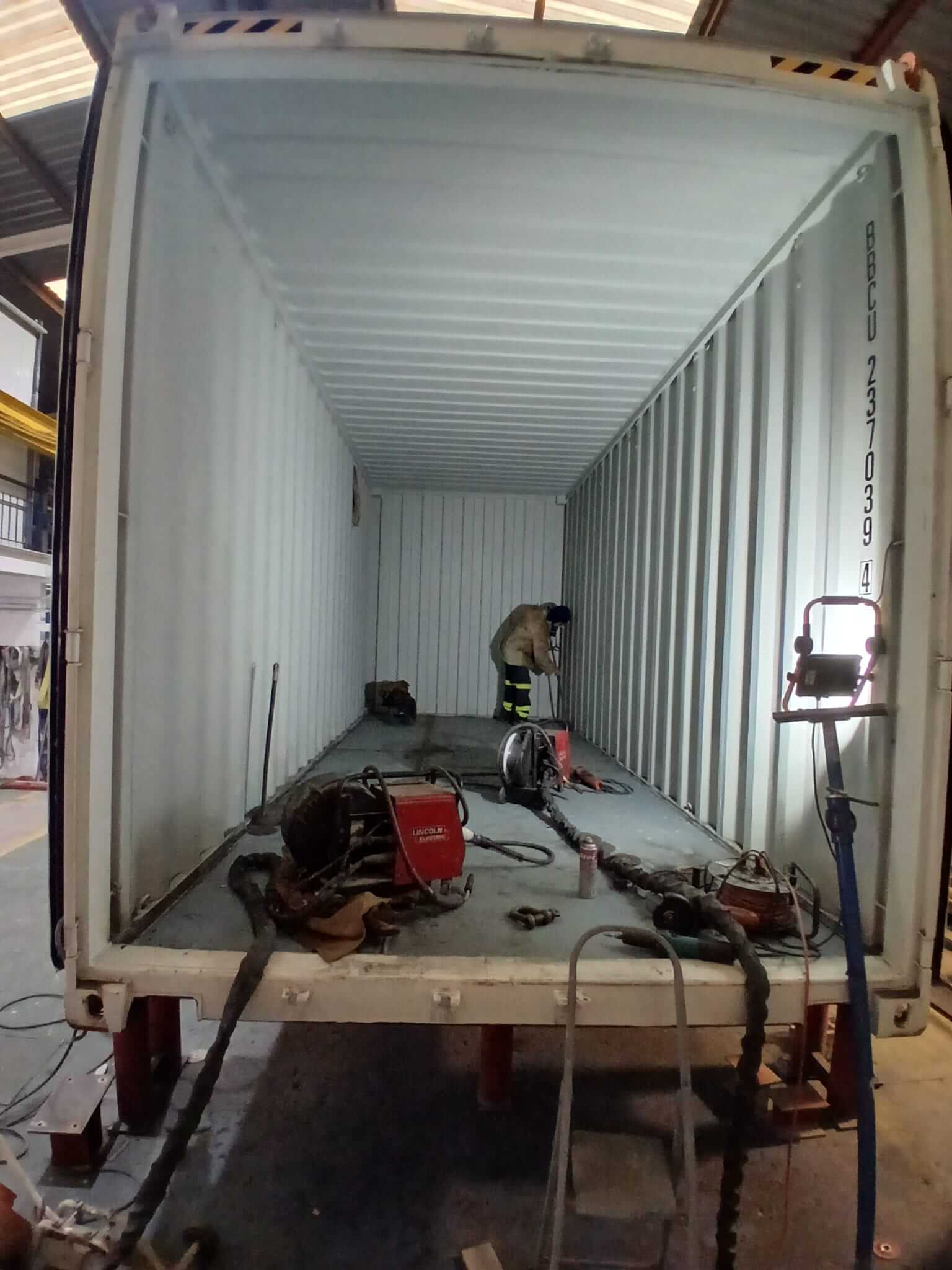
Image 2 – Structural work inside the container as the internal layout begins to take shape.
Step 3 - Turning the design into a physical layout
With the main structural work under way, dedicated brackets, supports and mounting points were added. These elements translate the engineering layout into physical positions for equipment and auxiliary systems. The result is not simply a space where components fit: it is an installation designed around integration, connections, maintenance access and the requirements of the complete demonstrator.
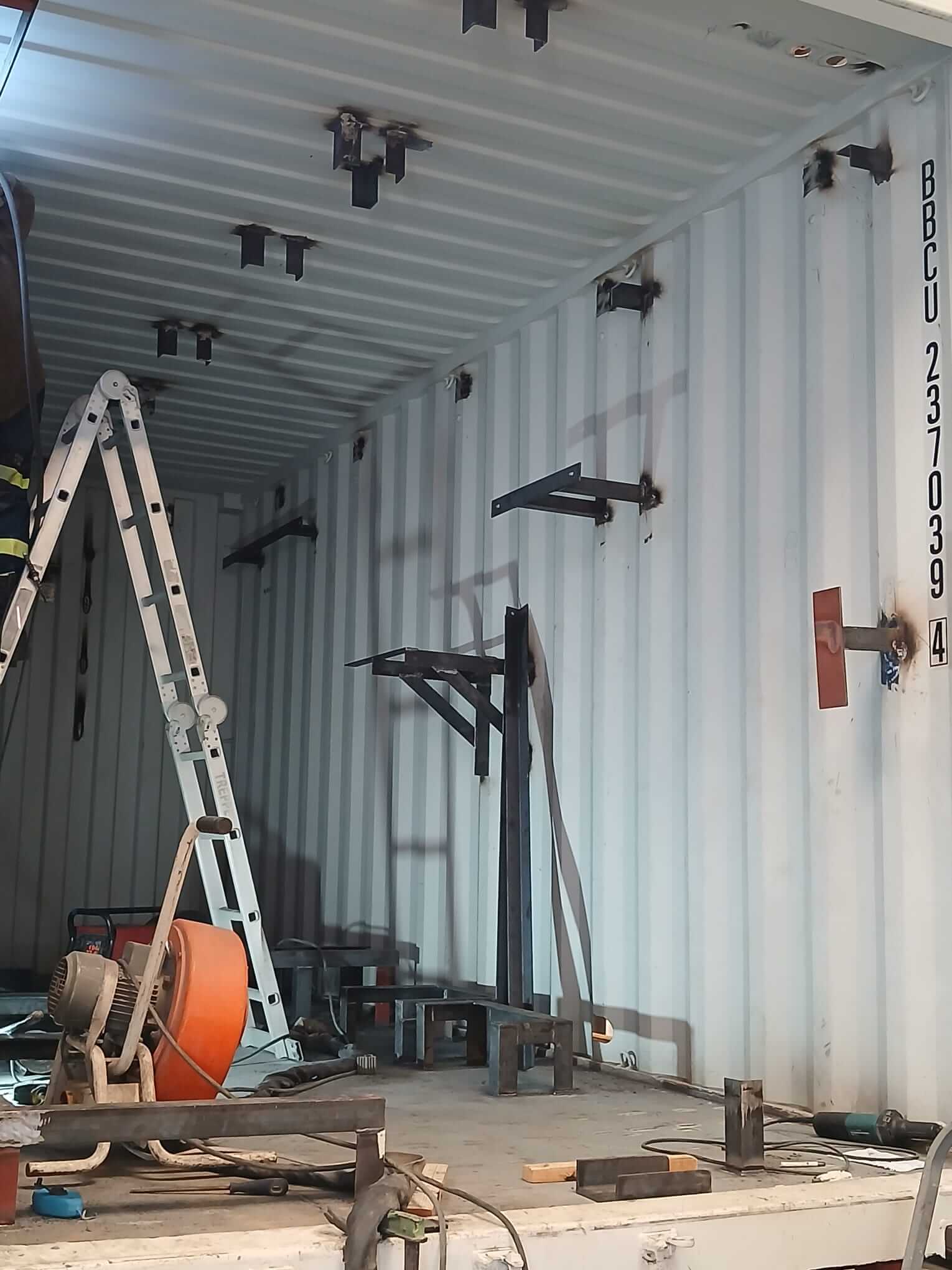
Image 3 – Dedicated supports and mounting structures installed inside the container.
Step 4 - Creating a controlled technical Systems-of-Systems
The container was then further adapted to create a controlled technical Systems-of-Systems. The visible insulation, equipment enclosures and auxiliary elements mark the transition from structural work to systems integration. At this point, the container starts to function as a technical demonstrator rather than as an empty shell.
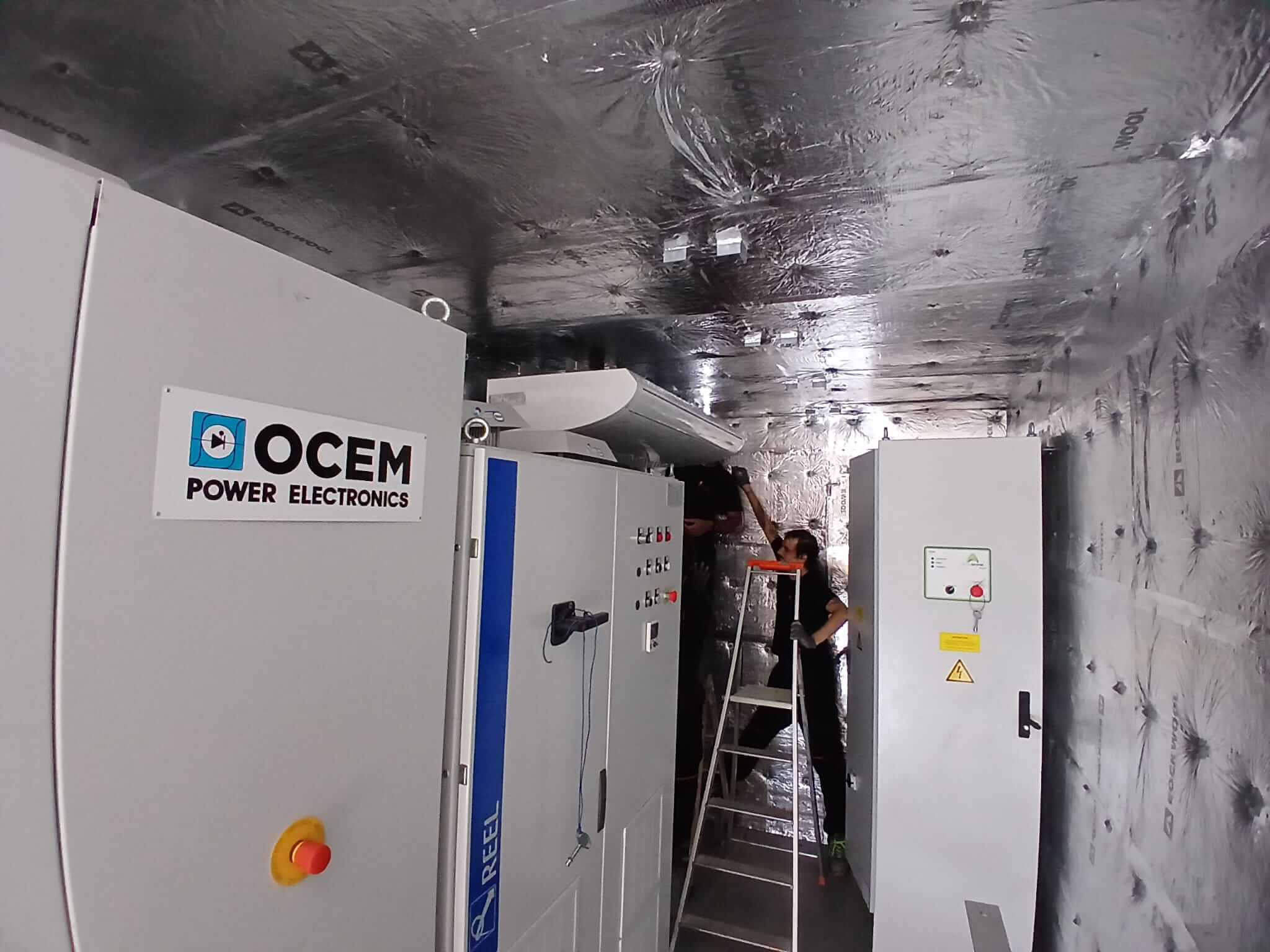
Image 4 – The insulated interior during the installation of electrical and auxiliary equipment.
Step 5 - Installing the energy storage and power systems
The following stage brought the principal technical equipment into the container. Cabinets, power electronics, cabling and energy storage hardware were positioned within the prepared layout. POSEIDON’s approach requires the three fast-response technologies to operate within a common architecture, making physical integration and the interfaces between systems a central part of the demonstration.
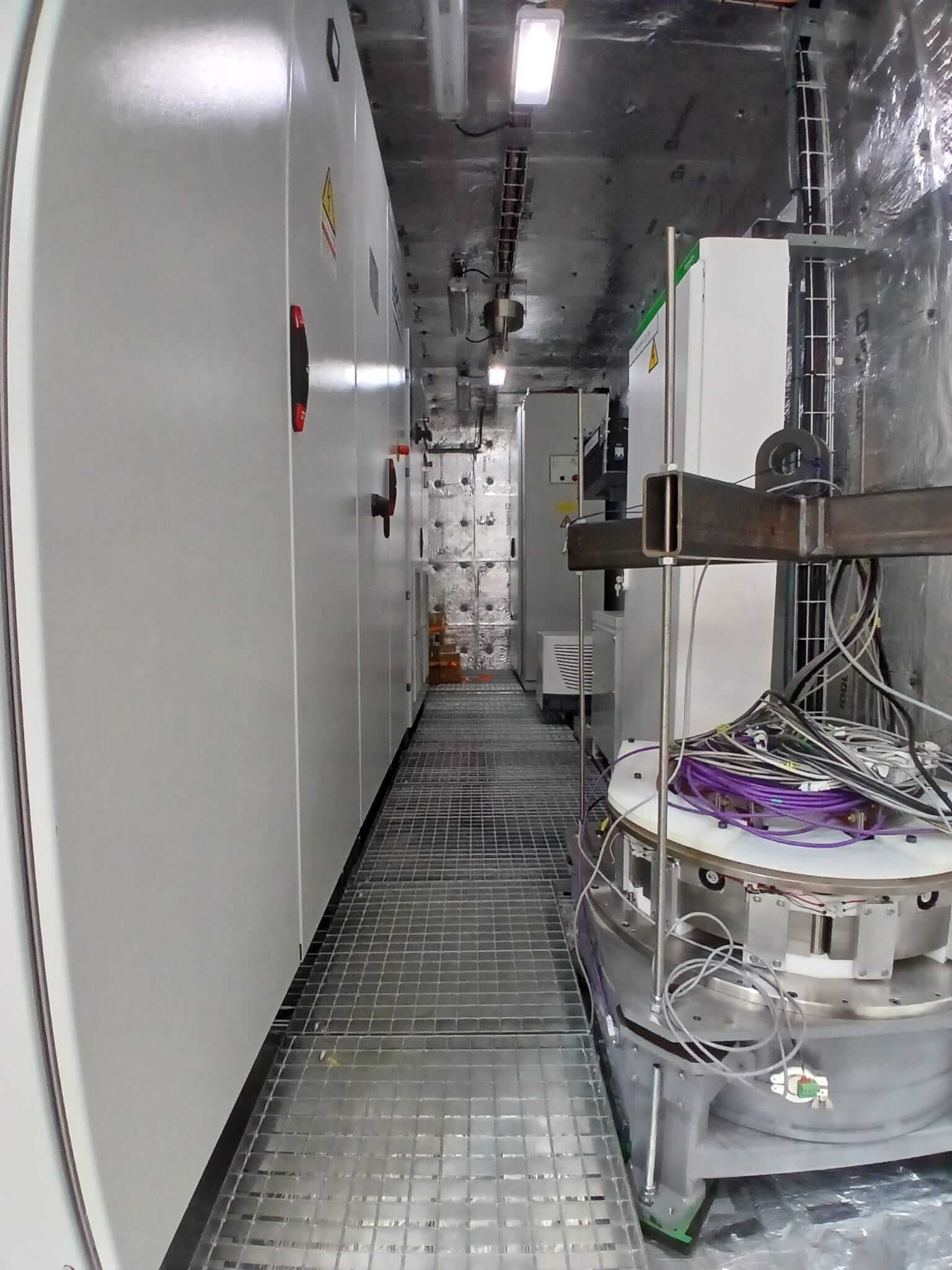
Image 5 – Energy storage equipment, electrical cabinets and cabling installed inside the customised container.
Step 6 - From equipment installation to an integrated demonstrator
As installation progressed, the container became a dense but organised technical environment, with the energy storage equipment supported by electrical distribution, cable routing, lighting, thermal management and other auxiliary systems. This is the key change represented by the milestone: individual technologies are no longer being considered only as stand-alone units, but as parts of a shared system that must work together.
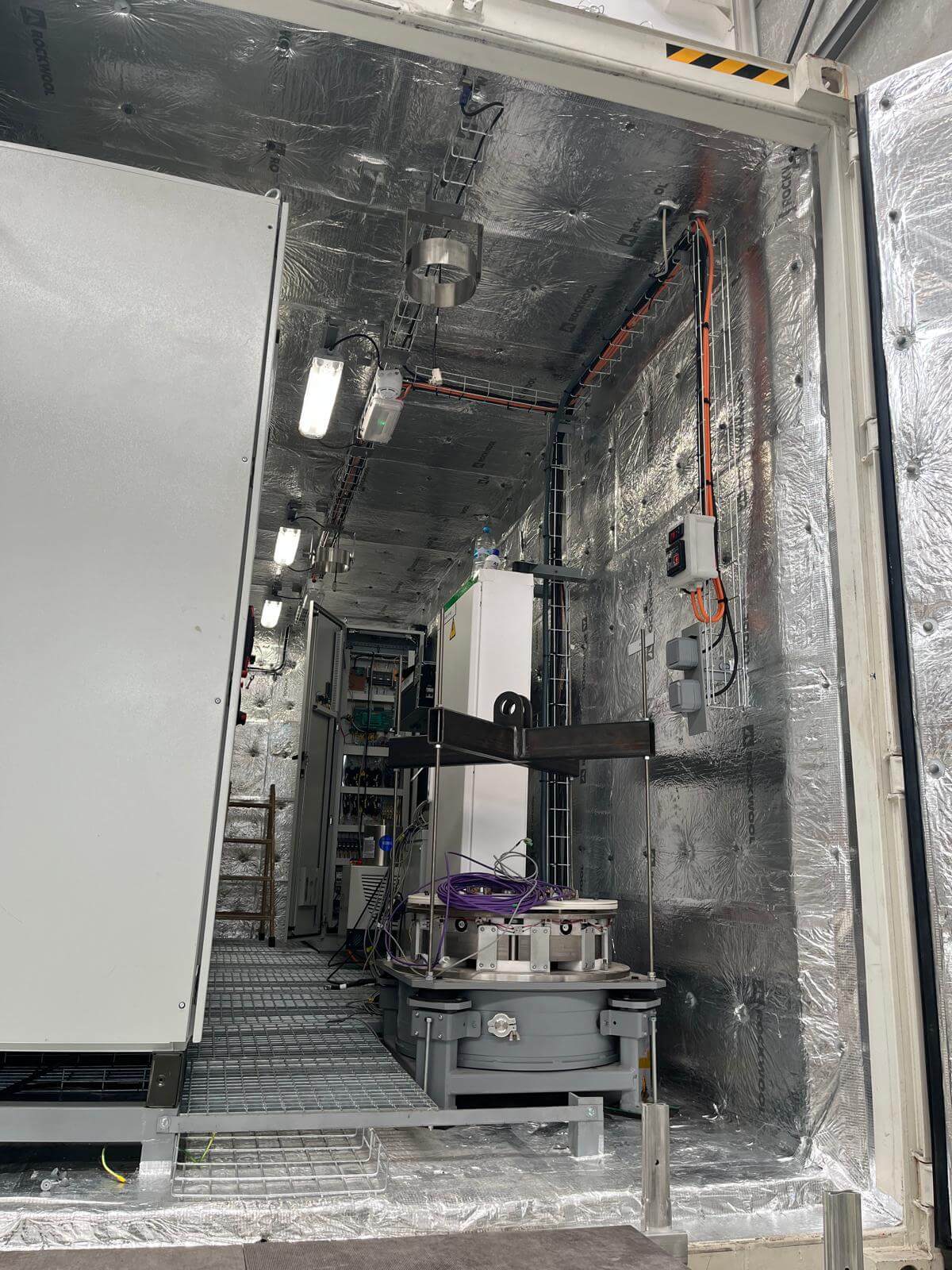
Image 6 – A wider view of the integrated interior, showing the equipment and supporting infrastructure working as one installation.
Step 7 - A demonstrator with a POSEIDON identity
The exterior reflects the same transition. What began as a conventional container now visibly represents a European research and innovation demonstrator. The completed structure brings together the physical adaptations, auxiliary infrastructure and technology integration needed to move POSEIDON towards its next validation activities.
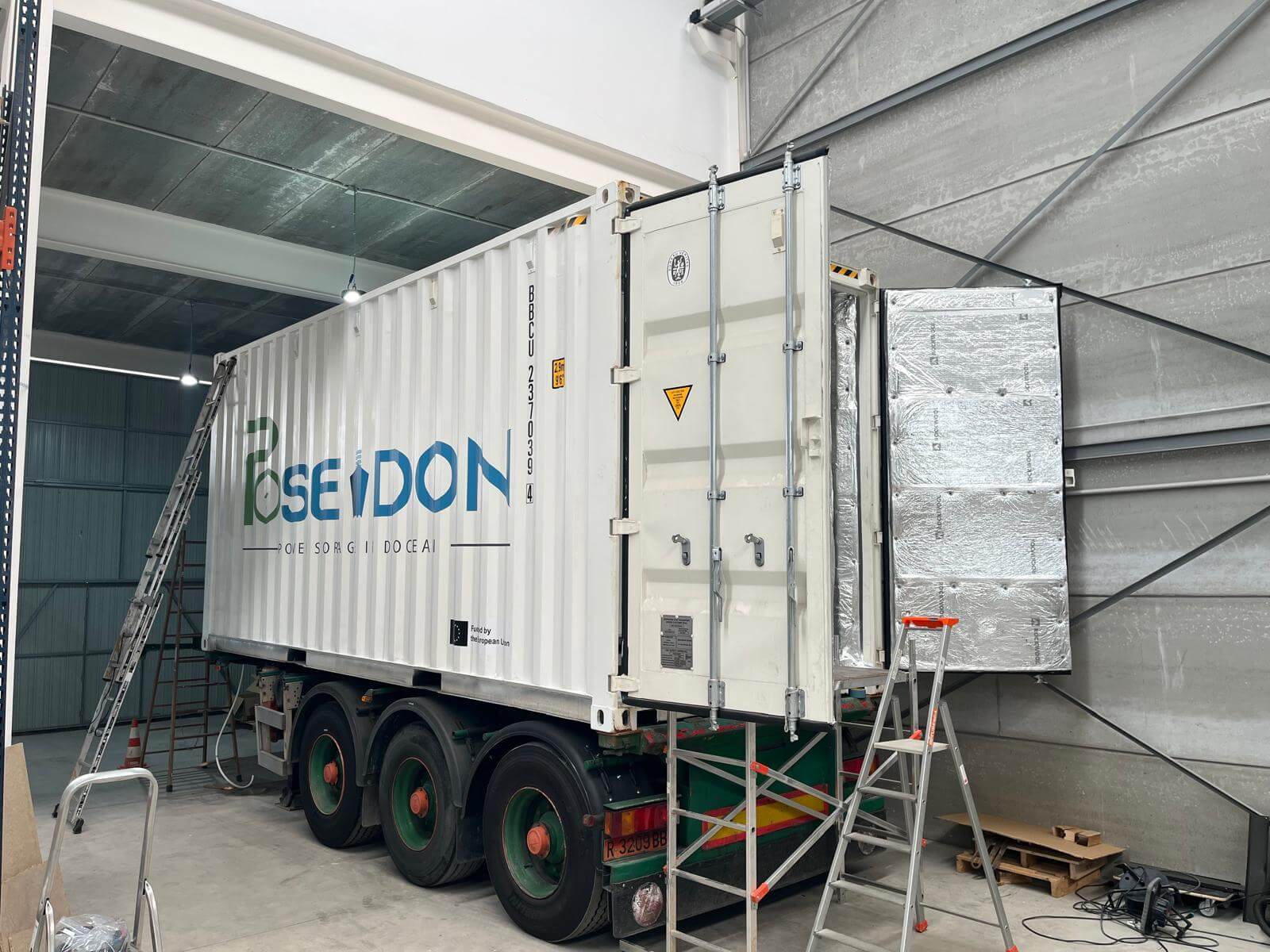
Image 7 -The customised POSEIDON container after the main integration work, carrying the project identity and EU funding acknowledgement.
Step 8 - Moving towards integrated testing and onboard demosntration
With the container assembled and the principal systems integrated, the demonstrator can move into the next phase of the POSEIDON journey. The project methodology foresees integrated testing before installation onboard, followed by harbour trials and sea trials. These stages are designed to generate evidence on how the technologies perform as part of a vessel’s energy architecture and to feed operational experience back into the final models.
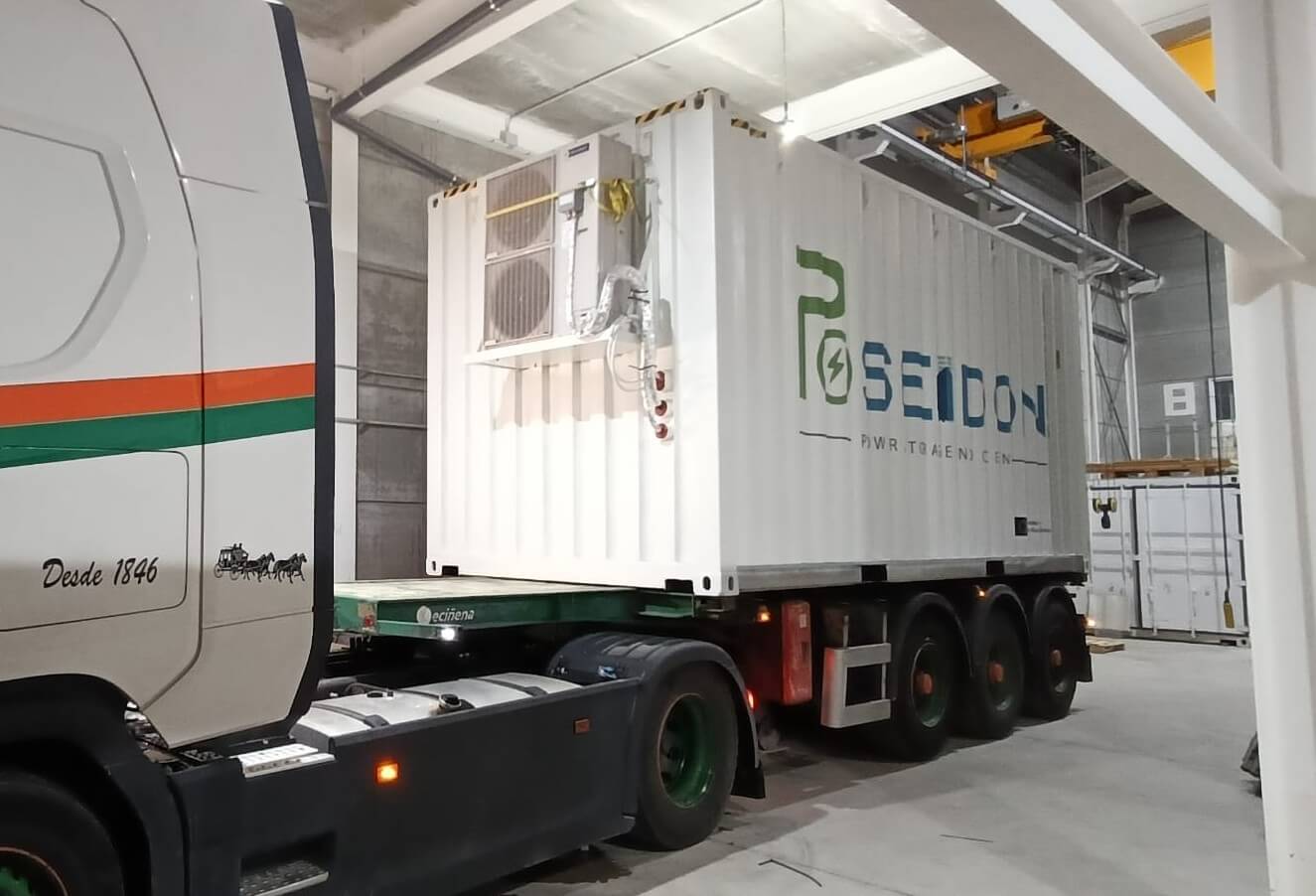
Image 8 – The POSEIDON container prepared for transport towards the next phase of integration and testing.
From technology development to maritime demonstration
For potential technology users and maritime stakeholders, this milestone illustrates a crucial part of the innovation pathway: moving from promising individual technologies towards an integrated system that can be tested under increasingly realistic conditions. POSEIDON is assessing not only whether fast-response energy storage technologies can perform technically, but also how they can be integrated safely and effectively into future waterborne energy systems.
The customised container is therefore more than a housing solution. It is the bridge between technology development on land and the project’s future demonstration at sea – and a tangible sign that POSEIDON is entering one of the most important phases of its work.
What comes next?
The next steps focus on integrated testing and preparation for onboard validation. Under the POSEIDON methodology, the container will support the progression from land-based integration to harbour and navigational trials, allowing the consortium to gather evidence from increasingly representative operating conditions.
Follow POSEIDON’s project updates to see the demonstrator move from integration and texting towards oboard validation.